
To choose the correct 48v battery for an electric motorcycle, you must match the nominal voltage exactly, calculate the capacity in Watt-hours (Wh) to suit your range needs, select a compatible cell chemistry, and verify that the continuous discharge rate meets your motor’s demand. Selecting a battery requires a precise balance of electrical compatibility, physical dimensions, and safety management.
In tropical climates like Singapore, high ambient temperatures accelerate battery wear, making thermal protection and cell chemistry selection critical. Whether you commute daily or ride commercially, understanding how these specifications translate to real-world performance ensures your vehicle remains reliable, safe, and compliant with local road standards.
Why Voltage Matching Matters Before Checking Capacity
Before comparing capacity, you must ensure the nominal voltage of the replacement battery matches your motorcycle’s electrical system exactly. A 48V battery system operates on a nominal rating, but its actual voltage fluctuates. For instance, a fully charged 48V lithium-ion battery typically reaches around 54.6 volts, while its depleted state drops significantly lower.
Products mentioned in this guide
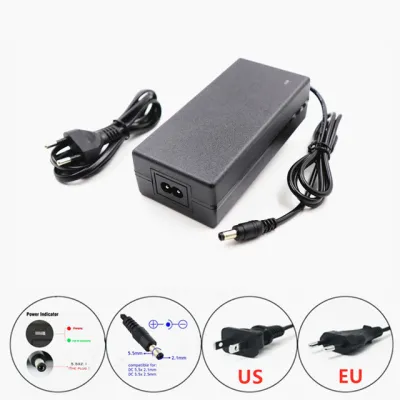
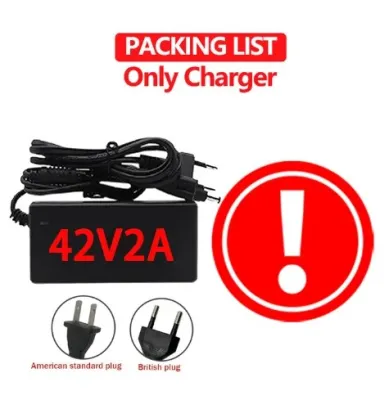
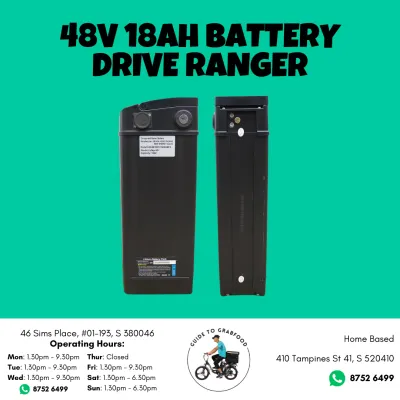
Prices are valid at publication and may change. Please refer to the product page for the latest price.
The motor controller and the electric motor are engineered to operate within a specific voltage window. Installing a battery with a higher nominal voltage, such as a 60V or 72V pack, can instantly destroy the controller’s capacitors, burn out the motor windings, or trigger safety shutdowns. Conversely, a lower-voltage battery will fail to provide sufficient power, causing sluggish performance or premature shutdowns under load.
Always check your original battery’s label or consult your motorcycle’s user manual to confirm the required nominal voltage. Never attempt to upgrade voltage without upgrading the controller, motor, and wiring harness simultaneously. This complex modification requires professional installation to ensure safety and road-legality.
Amp-Hours (Ah) vs. Watt-Hours (Wh): Calculating Your Real-World Range
When evaluating a 48v battery, capacity dictates how far you can ride on a single charge. This capacity is typically expressed in Amp-hours (Ah) or Watt-hours (Wh). While Ah measures the total electrical charge the battery can deliver over one hour, Wh represents the actual total energy stored in the pack.

To calculate Watt-hours, multiply the nominal voltage by the Amp-hour rating (Volts × Ah = Wh). For example, a 48V 20Ah battery provides 960Wh of energy capacity, whereas a 48V 30Ah battery delivers 1,440Wh. Using Wh is the most reliable way to compare different battery options because it accounts for the total energy potential regardless of slight voltage variances.
Estimating your real-world range requires knowing your e-motorcycle’s average energy consumption, measured in Wh per kilometer (Wh/km). A typical lightweight electric motorcycle consumes roughly 25 to 35 Wh/km under normal riding conditions. If your bike consumes 30 Wh/km, a 960Wh battery will theoretically provide a range of approximately 32 kilometers before requiring a recharge.
However, manufacturer range estimates are often calculated under ideal laboratory conditions. Real-world range is highly variable and typically lower due to environmental and operational factors. In urban environments, frequent stop-and-go traffic drains energy much faster than continuous cruising.
Rider weight, carrying cargo, and tackling steep inclines also increase the load on the motor, raising the Wh/km consumption rate. Additionally, riding at high speeds increases aerodynamic drag, which exponentially increases energy demand. To avoid running out of power, choose a battery with a capacity rating 20% to 30% higher than your minimum calculated daily commuting needs.
Cell Chemistry Trade-Offs: Lithium-Ion, LiFePO4, and Lead-Acid
The chemistry of the cells inside your 48v battery determines its weight, lifespan, thermal stability, and overall cost. Modern electric motorcycles primarily use three distinct battery chemistries.
Lithium-Ion (NMC/NCA)
Lithium-ion cells offer exceptional energy density, packing a large amount of energy into a compact, lightweight package. This weight savings improves the motorcycle’s overall handling, acceleration, and efficiency. However, NMC cells require a highly sophisticated Battery Management System (BMS) to monitor cell balancing and thermal levels, preventing thermal runaway in high-temperature environments.
Lithium Iron Phosphate (LiFePO4)
LiFePO4 batteries are highly valued for their outstanding durability and safety profile. They are structurally and chemically stable, making them highly resistant to thermal runaway even under physical damage or high operating temperatures. Furthermore, they boast an incredibly long cycle life, often surviving 2,000 to 3,000 charge-discharge cycles. The primary trade-off is energy density; LiFePO4 packs are heavier and physically larger than NMC packs of the same capacity.
Sealed Lead-Acid (SLA/AGM)
Sealed Lead-Acid (SLA) batteries represent a low-cost option but suffer from poor energy density and a heavy, bulky physical profile. A lead-acid pack is significantly heavier than a lithium equivalent, which negatively impacts the motorcycle’s handling, braking, and range. They also have a short lifespan, typically lasting only 300 to 500 charge cycles. If your motorcycle was originally designed for a lithium battery, never downgrade to lead-acid, as the charging profiles and weight distribution will severely compromise safety.
Discharge Rates and Current Limits: Matching Your Motor's Power Needs
A battery’s capacity tells you how far you can ride, but its discharge rate determines how safely and effectively you can accelerate. The battery must deliver the electrical current demanded by the motorcycle’s motor controller without overheating or dropping voltage excessively.
You must evaluate two key current specifications: continuous discharge current and peak (or burst) discharge current, both measured in Amps (A). The continuous rating of your replacement battery must meet or exceed the maximum current limit of your motorcycle’s controller. Pairing a high-power motor with a battery that has an insufficient discharge limit will trigger the BMS to shut off power abruptly to protect the cells, leaving you stranded in traffic.
Discharge capability is also described by the C-rating, which relates discharge current to the battery’s capacity. A 20Ah battery rated at 1C can safely discharge at 20A; a 2C rating allows a 40A discharge. Understanding these limits prevents dangerous heat buildup within the cells, preserving the battery’s lifespan and protecting the vehicle’s electrical components.
Physical Fitment, BMS Protections, and Connector Compatibility
Choosing a 48v battery with the correct electrical specifications is only half the battle; it must also integrate physically and functionally with your motorcycle. Unlike standard automotive starter batteries, electric motorcycle battery compartments are rarely standardized.
Dimensions and Mounting
Before purchasing, measure the length, width, and height of your motorcycle’s battery compartment. Account for the space required for routing thick power cables and any mounting brackets or foam padding. A battery that fits too tightly can suffer from physical wear due to road vibrations, while a loose battery can slide around, risking physical damage or disconnected wiring.
Battery Management System (BMS)
Never purchase a lithium battery for an electric motorcycle that lacks an integrated Battery Management System (BMS). The BMS acts as the battery’s brain, constantly monitoring individual cell voltages and temperatures. It provides critical safety cutoffs against overcharging, over-discharging, short circuits, and over-temperature conditions. Ensure the replacement battery’s BMS is rated to handle both the continuous and peak current demands of your motor.
Connectors and Wiring
Examine the existing power connectors on your motorcycle’s wiring harness. Common high-current connectors include XT60, XT90, and Anderson plugs. The replacement battery must either come pre-configured with the matching connector or allow for safe adaptation. Additionally, check if your motorcycle utilizes communication pins (such as CAN bus or RS485) to transmit battery data directly to the dashboard display; without this compatible connection, your fuel gauge may not function.
Safety Boundary
Modifying an electric vehicle’s high-voltage system carries inherent risks of electrical shock, short circuits, and fire. Always refer to your motorcycle’s user manual or consult a qualified technician before changing battery chemistries, altering wiring, or upgrading to a significantly larger capacity. Ensure all work is performed with insulated tools and that the replacement battery and charger meet local safety standards.
Frequently Asked Questions (FAQ)
Can I use a 48V battery with a higher Ah rating than my original battery?
Yes, you can safely use a 48V battery with a higher Ah rating, as long as the nominal voltage remains exactly 48V. A higher Ah rating acts like a larger fuel tank, providing more energy storage and extending your riding range. However, you must verify that the physically larger battery fits securely within your motorcycle’s battery compartment. Additionally, a higher capacity battery will take longer to charge using your original charger, and the added weight may slightly alter the vehicle’s handling characteristics.
Do I need a new charger if I switch from lead-acid to a lithium 48V battery?
Yes, you must purchase a dedicated lithium charger if you switch from a lead-acid battery. Lead-acid and lithium batteries require completely different charging algorithms, voltage cutoffs, and cell-balancing phases. Attempting to charge a lithium battery with a lead-acid charger can result in severe overcharging, disable the BMS safety functions, and create a significant fire hazard. Always use a charger specifically recommended by the manufacturer of your new lithium battery.
Community discussion
Share your experience or ask a question. Comments are reviewed before publication.