
When searching for ways to shield your vehicle’s interior and exterior surfaces from the harsh effects of sun exposure, you will likely encounter 303 aerospace protectant. This product has earned a reputation among detailing enthusiasts and professionals as a highly effective barrier against ultraviolet (UV) radiation. Unlike traditional dressings that merely coat surfaces with a temporary shine, this formula is engineered to bond with materials on a deeper level, offering functional preservation rather than a cosmetic cover-up.
Understanding what this protectant is and how its specific formulation behaves on different materials is essential for achieving the best results. Modern vehicles use a complex mix of vinyl, thermoplastic olefins, synthetic polymers, and treated leathers, each requiring careful chemical compatibility. Applying the wrong product can lead to premature drying, unsightly discoloration, or even structural degradation of delicate cabin components.
By exploring the science behind water-based protectants, examining how they interact with various interior and exterior materials, and establishing clear safety boundaries, you can keep your vehicle looking pristine. This guide breaks down the formulation of this popular detailing product, outlines its safe application, and provides practical maintenance strategies tailored to demanding environments.
Products mentioned in this guide
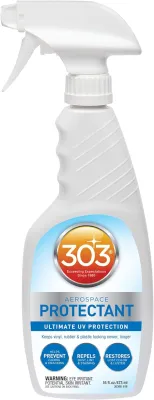
![[ Bundle of 2 ] 303 Automotive Protectant Spray](https://img.lazcdn.com/g/p/cbea9c11ad5761f6d12863fae8ac039c.png_400x400q80.png_.webp)
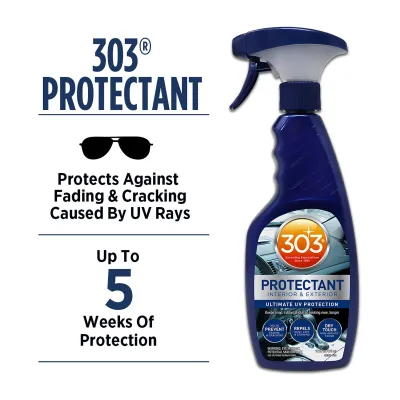
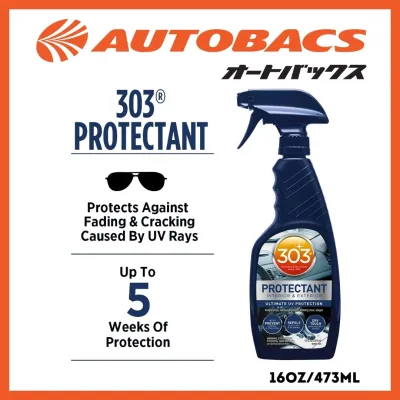
Prices are valid at publication and may change. Please refer to the product page for the latest price.
Understanding 303 Aerospace Protectant and Its Core Formula
To understand how 303 aerospace protectant works, it helps to look at its primary purpose as a specialized conditioner and shield for non-metallic surfaces. Originally developed for aviation applications where UV exposure is exceptionally intense, the product is formulated to prevent the drying, fading, and cracking that occurs when polymers are exposed to solar radiation. It functions essentially as a high-grade sunscreen for your vehicle’s trim, dashboard, and seals.
The core of this product’s effectiveness lies in its water-based, pH-balanced formulation. Many traditional automotive dressings rely on heavy solvents, petroleum distillates, or silicone oils to create a high-gloss finish. While these solvent-based products can make a dashboard look instantly shiny, they often strip away the material’s natural plasticizers over time, accelerating the very drying and cracking you want to prevent. A water-based formula, by contrast, introduces protective agents without aggressive chemical solvents, preserving the structural integrity of the underlying material.
Because chemical formulations can vary and manufacturers occasionally update their products, you should always consult the product label for the most current usage instructions. Marketing terms and product names are helpful guides, but they do not replace the technical material safety data sheets or the specific surface compatibility lists provided by the manufacturer. Verifying these details ensures that the chemical properties of the protectant align perfectly with the specific needs of your car’s surfaces.
How the pH-Balanced Formula Interacts with Car Interiors
The interior of a car is a challenging environment for material preservation. Trapped air can heat up rapidly, and windshield glass can act as a magnifying lens for solar energy, creating a high-temperature chamber that degrades cabin surfaces. A pH-balanced protectant interacts gently with these sensitive areas, offering protection without altering the material’s chemical structure.

Vinyl, Plastics, and Dashboard Surfaces
Dashboards and door panels are primarily constructed from vinyl and molded plastics, which contain chemical plasticizers to keep them flexible. Continuous exposure to UV rays and heat causes these plasticizers to migrate to the surface and evaporate, leaving the plastic brittle and prone to splitting. A water-based, pH-balanced protectant helps slow down this degradation by absorbing UV radiation and keeping the vinyl hydrated and pliable.
Before applying any aftermarket chemical to your car’s interior, it is crucial to consult your vehicle owner’s manual. Some manufacturers apply specialized anti-glare, matte, or soft-touch coatings to their dashboards that might react unexpectedly with external treatments. Ensuring compatibility with the manufacturer’s guidelines protects your warranty and prevents accidental damage to high-end interior finishes.
One of the primary safety benefits of using a water-based formula on your dashboard is the resulting finish. Unlike greasy, petroleum-based dressings that create a highly reflective sheen, this product is designed to dry to a clean, satin-matte finish. This significantly reduces dashboard reflections on the inside of your windshield, preserving clear driver visibility and reducing eye strain during bright daylight driving.
Leather and Synthetic Upholstery
Automotive seating materials vary widely, and understanding the difference between them is vital before applying any protectant. Most modern vehicles feature sealed or coated leather, which is treated with a thin protective polyurethane topcoat at the factory to resist stains and wear. This coated surface behaves similarly to vinyl, meaning it can generally tolerate a mild, water-based protectant designed to shield the outer layer from UV damage.
Unsealed leather, aniline leather, and specialty suede materials require entirely different care. These porous materials absorb liquids easily, and applying a surface sealant or general-purpose protectant can clog the pores, cause dark staining, or ruin the natural texture. Always check your vehicle’s documentation or contact the manufacturer to confirm whether your seats are upholstered in coated leather, synthetic leather, or unsealed natural hides.
To ensure complete safety, perform a spot test in an inconspicuous area before treating any leather or synthetic upholstery. Apply a tiny droplet of the protectant to a hidden spot, such as the lower side of the seat cushion or the back of a headrest. Allow it to dry completely and inspect the area under natural light to verify that there is no color transfer, darkening, or alteration of the material’s texture.
Exterior Applications: Rubber Seals, Trim, and Plastics
Exterior components face a relentless barrage of environmental hazards, including intense sunlight, acid rain, road grime, and atmospheric oxygen. Non-metallic exterior parts like rubber weatherstripping, black plastic trim, and wiper blades are highly susceptible to oxidation, which causes them to turn grey, chalky, and brittle.
The UV inhibitors in 303 aerospace protectant play a critical role in preserving these exterior elements. When applied to rubber seals around doors and windows, the protectant helps maintain elasticity, preventing the rubber from shrinking or cracking. This preservation is vital for maintaining a proper cabin seal, which keeps rainwater out and minimizes wind noise at highway speeds.
Because the formulation is water-based and free of sticky silicone oils, it penetrates the microscopic pores of rubber and textured plastics rather than sitting on top as a greasy layer. This deep integration restores a clean, deep-black appearance to faded trim without creating a magnet for road dust, dirt, and pollen. Your trim stays cleaner for longer, and rainwater will bead off the surface naturally without leaving unsightly black streaks down your car’s paintwork.
For the protectant to bond successfully with exterior surfaces, proper preparation is mandatory. You must thoroughly wash and degrease the target areas to remove old waxes, road oils, and loose oxidation. Ensure the surface is completely dry before application; any trapped water or moisture can interfere with the bonding process, resulting in an uneven finish or reduced durability.
Surfaces to Avoid and Critical Safety Boundaries
While this protectant is highly versatile, it is not a universal solution for every automotive surface. Understanding where not to use the product is just as important as knowing where to apply it, as improper application can create severe safety hazards or damage your vehicle’s finishes.
Surfaces to Avoid
- Car Paint and Clear Coats: The formulation is not designed to bond with automotive paint and can cause hazy streaking or interfere with the paint's breathability.
- Glass and Windshields: Applying it to glass will result in severe smearing and oily holograms that compromise night-time visibility.
- Fabric and Cloth Upholstery: The liquid can saturate woven fibers, leading to staining or attracting dirt deep into the weave.
- Tire Treads: Never apply protectants to the tread area of tires, as this reduces traction and can cause dangerous skidding.
- Control Surfaces: Avoid steering wheels, gear shifters, handbrakes, and foot pedals. The product reduces friction, and a slippery control surface can lead to a sudden loss of vehicle control.
To prevent accidental damage to any surface, always follow a strict spot-testing protocol. Apply a small amount of the product to a clean microfiber cloth, wipe a small, hidden area of the target material, and let it cure. Once dry, inspect the test area carefully for any signs of clouding, peeling, texture changes, or uneven discoloration.
If you observe any adverse reactions during your spot test, stop using the product immediately. Do not attempt to force the application or cover up the reaction with more product. Instead, consult a qualified professional detailer or reach out to your vehicle manufacturer to identify the exact material composition and obtain safe, approved care instructions.
Application Steps and Tropical Climate Maintenance
Achieving a flawless, long-lasting finish requires a methodical application process. By following a structured workflow, you ensure that the protectant bonds correctly with the surface without leaving high spots or streaks.
Standard Application Workflow
- Deep Clean: Use a dedicated, material-safe interior cleaner or mild soap to strip away grease, dust, and previous dressings from the surface.
- Dry Completely: Wipe the surface dry with a clean microfiber towel and allow any recessed areas or seams to air-dry fully.
- Apply to Applicator: Spray the protectant directly onto a clean microfiber applicator pad or towel rather than spraying the surface directly. This prevents overspray from landing on your glass or instrument cluster.
- Spread Evenly: Wipe the product onto the surface in circular or cross-hatch motions, ensuring complete and even coverage.
- Buff Dry: Immediately take a second, clean, dry microfiber towel and buff the treated surface thoroughly. This step is crucial; you must wipe the surface completely dry to remove excess product and reveal the signature matte finish.
In tropical environments like Singapore, vehicles face unique maintenance challenges. The combination of intense, year-round UV exposure and high relative humidity accelerates the degradation of plastics, vinyl, and rubber seals. Under these conditions, protective coatings break down more rapidly than they would in milder climates, requiring more vigilant upkeep.
Rather than relying on a rigid calendar schedule for reapplication, use visual and tactile cues to evaluate your vehicle’s needs. Inspect your dashboard, door panels, and exterior rubber weatherstripping regularly. If the surfaces begin to look slightly dull, lose their rich color, or feel dry and stiff to the touch, it is time to clean the area and reapply the protectant to maintain continuous UV defense.
Frequently Asked Questions (FAQ)
Can I use 303 Aerospace Protectant on car paint or clear coat?
No, you should not apply this product to car paint or clear coats. It is specifically formulated for non-porous, non-metallic surfaces like vinyl, rubber, and plastic. Applying it to automotive paint will result in heavy streaking, a hazy finish, and uneven patches that can be difficult to buff away. For protecting your vehicle’s exterior paint, use dedicated car waxes, synthetic paint sealants, or ceramic coatings designed specifically to bond with clear coats.
How often should I apply it to my car's interior in Singapore?
The ideal application frequency depends heavily on your daily driving and parking habits. If your car is frequently parked outdoors in open-air car parks under direct sunlight, the intense tropical UV rays will deplete the protective barrier faster, making reapplication necessary every 4 to 6 weeks. If your vehicle is kept in a shaded basement car park most of the time, the protection can easily last 3 to 4 months. Inspect your surfaces regularly and reapply when they begin to lose their satin look.
Does it leave a greasy residue on the dashboard?
When applied correctly, this product does not leave a greasy or sticky residue. It is designed to dry to a clean, non-reflective matte or satin finish. If your dashboard feels greasy or looks highly reflective after application, it is usually due to over-application or skipping the final buffing step. To resolve this, simply take a clean, dry microfiber towel and buff the surface thoroughly to remove the excess product.
Community discussion
Share your experience or ask a question. Comments are reviewed before publication.