
Separate car wash soaps and standalone waxes provide more durable paint protection and longevity compared to 2-in-1 wash and wax products, but the most suitable choice depends on your available time, detailing goals, and the current condition of your vehicle’s paint. While a 2-in-1 product offers excellent convenience by cleaning and leaving a thin protective layer in a single step, it cannot match the robust, long-lasting barrier created by a dedicated wax or sealant. Understanding how these products interact with your car’s surface is key to maintaining a glossy, protected finish in tropical climates like Singapore, where intense sun and sudden downpours constantly challenge your paintwork.
Cleaning Effectiveness: 2-in-1 vs. Dedicated Car Wash Soaps
To understand how these products perform, we must look at how they interact with dirt and the paint surface during the wash process. A dedicated car wash soap is formulated primarily to maximize lubricity and dirt encapsulation. High lubricity is critical because it creates a slick barrier between your wash mitt and the paint, allowing dirt particles to slide off safely without causing micro-scratches or swirl marks. Dedicated soaps often produce rich, stable suds that lift and suspend contaminants away from the clear coat, making them easy to rinse away.
In contrast, a 2-in-1 car wash and wax must balance cleaning agents with gloss-enhancing additives, such as natural carnauba or synthetic polymers. Because these formulas contain wax ingredients designed to deposit onto the paint during the wash, they sometimes offer slightly less foaming action or a different level of lubricity compared to pure, dedicated soaps. While they are highly effective for light maintenance washes on vehicles with minor dust and road grime, they may not provide the same level of heavy-duty dirt encapsulation required for a heavily soiled vehicle.
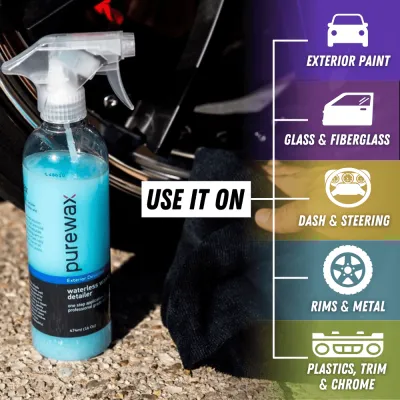
Products mentioned in this guide
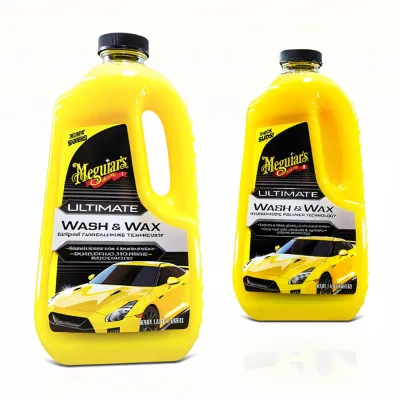
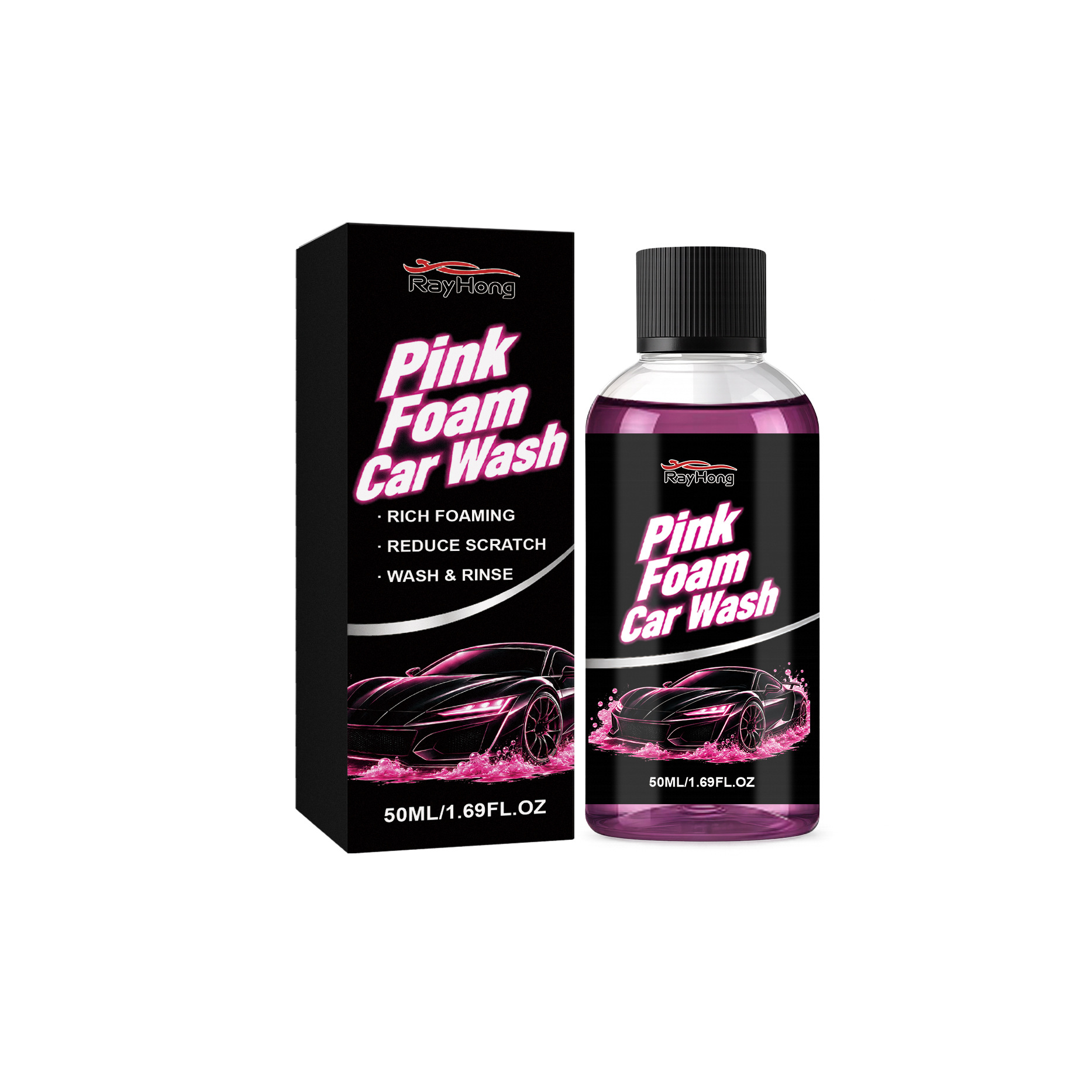
![[DIAMOND WASH DETAIL WORK] MEGUIAR’S WASH & WAX](https://img.lazcdn.com/g/p/2a73d49d2b99969cf1bb1c7c72ba49f8.jpg_400x400q80.jpg_.webp)
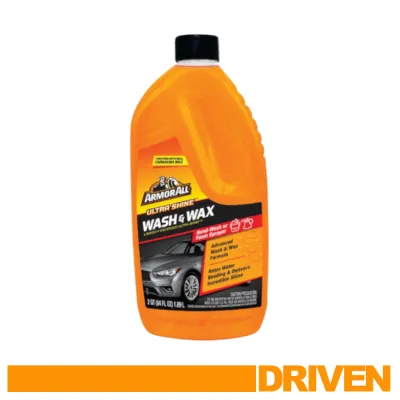
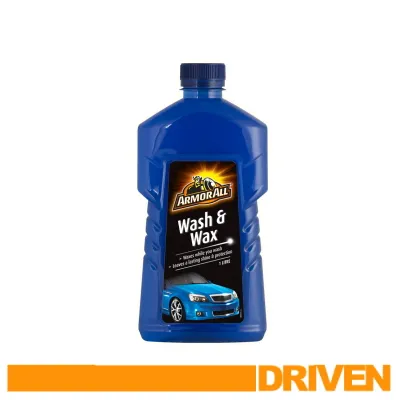
Prices are valid at publication and may change. Please refer to the product page for the latest price.
When choosing any wash product, it is essential to check the product label to verify that it is pH-neutral. A pH-neutral formula ensures that the soap will safely clean the vehicle without stripping away any existing wax, sealant, or ceramic coating layers. Some heavy-duty strip washes or degreasers have high alkalinity, which is useful for removing old wax before a full detail but will degrade your protective layers during a routine wash. Always consult the manufacturer’s instructions on dilution ratios to maintain the correct pH balance and ensure the product performs as intended without leaving unsightly residue on plastics or rubber seals.
Paint Protection and Durability: Comparing the Wax Layer
The protective barrier left behind by these two methods differs significantly in composition, thickness, and longevity. Standalone waxes—whether they are natural carnauba pastes, liquid synthetic waxes, or advanced polymer sealants—are designed to bond directly to a clean, prepared paint surface. Because they are applied after the wash and dry cycle, there are no surfactants or water molecules interfering with the bonding process. This allows the wax to form a dense, uniform layer that fills microscopic imperfections in the clear coat, resulting in deep gloss and a highly durable shield against environmental contaminants, bird droppings, and UV rays.

A 2-in-1 wash and wax, on the other hand, relies on a rinse-and-deposit mechanism. As you rinse the soap off the vehicle, a small amount of the wax or polymer additive is left behind on the surface. Because this layer is extremely thin and must deposit in the presence of water and cleaning surfactants, its bonding strength is inherently limited. The resulting protection is temporary, typically lasting only until the next wash or a few heavy rainstorms. These formulas often use synthetic polymers or highly diluted carnauba emulsions to achieve this quick-bonding effect, which provides a temporary boost in gloss but lacks the physical thickness of a hand-applied wax.
You can easily observe the health of your paint’s protective layer by watching how water behaves on the surface. High-quality, intact protection causes water to bead into tight, round droplets or sheet off the panels rapidly. When you notice water pooling or flattening out on the hood or doors, it is a clear indicator that the protective barrier has depleted. While a 2-in-1 wash can temporarily restore water beading and add a quick shine, it should be viewed as a maintenance top-up rather than a replacement for a dedicated, hand-applied protective layer.
Time, Effort, and Cost Evaluation
Choosing between these two detailing methods involves a clear trade-off between convenience and performance. A 2-in-1 wash and wax is a highly efficient time-saver, allowing you to clean and protect your vehicle in a single wash cycle. This typically takes no longer than a standard wash—around thirty to forty-five minutes—and requires only a wash bucket, a microfiber mitt, and a drying towel. For car owners with busy schedules or limited access to a dedicated detailing space, this efficiency makes regular paint maintenance highly manageable.
Applying a standalone wax is a far more labor-intensive process that requires a multi-step commitment. After a thorough wash and dry, you must apply the wax evenly using foam applicators, allow it to haze according to the product instructions, and then buff it off using high-quality microfiber towels. This process demands physical effort, attention to detail, and a controlled environment—ideally out of direct sunlight—to prevent the wax from drying too quickly and becoming difficult to remove. Achieving a streak-free finish with a standalone paste or liquid wax requires a certain level of skill, as applying the product too thickly can lead to uneven patches and residue buildup in panel gaps.
From a cost perspective, the initial investment for separate products is higher because you must purchase both a high-quality car wash soap and a dedicated wax, along with additional application and buffing tools. However, because standalone waxes are highly concentrated and applied sparingly, a single bottle or tin can last for dozens of applications. When evaluated on a cost-per-wash basis, both methods can be highly economical if you follow the manufacturer’s recommended dilution ratios. Overusing product does not improve results and can lead to streaking or premature product depletion.
Decision Guide: Which Method Fits Your Detailing Routine?
To determine the most appropriate approach for your vehicle, evaluate your lifestyle, detailing goals, and the current state of your car’s paintwork.
You should opt for a 2-in-1 wash and wax if:
- You drive a daily commuter and have limited time for multi-step detailing sessions.
- Your vehicle already has an established base layer of protection, such as a professional ceramic coating or a recently applied synthetic sealant, and you want a quick way to boost gloss and water beading during your weekly wash.
- You wash your car frequently and prefer a simple, streamlined routine that keeps the paint looking clean and shiny with minimal physical effort.
You should choose separate products if:
- You are preparing your vehicle for a car show, a major event, or want to achieve a deeper gloss and reflection.
- Your paint has minor swirl marks or defects that require a dedicated pre-wax polish or paint cleanser before applying protection.
- You want extended standalone durability that can withstand harsh environmental conditions, intense UV exposure, and multiple wash cycles without needing frequent reapplication.
Before applying any new product, always verify the specific requirements of your vehicle’s exterior surfaces. If your car features specialized matte paint, a matte vinyl wrap, or Paint Protection Film (PPF), standard gloss-enhancing waxes and 2-in-1 products can ruin the finish by adding unwanted shine or altering the texture. In these cases, consult the film manufacturer or a professional detailer to select specialized, wax-free matte care products. Similarly, if your paint suffers from heavy oxidation or deep scratches, neither method will restore the finish without professional paint correction first.
Frequently Asked Questions (FAQ)
Can I use a 2-in-1 wash and wax on a car with a ceramic coating?
Before using a 2-in-1 wash and wax on a ceramic-coated vehicle, you should consult the maintenance guidelines provided by your coating’s manufacturer or installer. While these wash products are generally safe and will not damage the coating, the wax or polymer additives they leave behind can temporarily mask the native properties of the ceramic layer. Ceramic coatings are highly valued for their high hydrophobicity and self-cleaning abilities. Depositing a less durable, lower-performing wax layer on top of the coating can actually reduce water beading efficiency and attract more dust. For coated vehicles, a pure, pH-neutral car wash soap without any added waxes or gloss enhancers is typically recommended to keep the ceramic surface clean and performing at its peak.
How often should I apply a standalone wax if I use a 2-in-1 wash in between?
If you use a 2-in-1 wash and wax for your routine weekly or bi-weekly cleanings, you can significantly extend the lifespan of your base protection layer. However, the 2-in-1 product does not completely stop the gradual degradation of the underlying standalone wax. You should monitor water beading and sheeting behavior on the lower door panels and hood, which are most exposed to road grime and weather. When water begins to pool or slow down significantly despite a fresh wash, it is time to reapply your standalone wax. Before doing so, ensure the paint is thoroughly clean; if you notice a heavy buildup of old wax or road film, a dedicated paint prep or clay bar treatment may be necessary to ensure the new wax layer bonds properly to the clear coat.

Community discussion
Share your experience or ask a question. Comments are reviewed before publication.